Ayuda Trámites


Empadronamiento means registering your home address at the local town hall. It is free and mandatory for everyone who usually lives in Spain. The padrón records your municipal address, not your legal immigration status.
What is empadronamiento?
Empadronamiento means registering your home address at the town hall, or ayuntamiento. The register is called the padrón. Everyone who usually lives in Spain must register in the municipality where they live, including foreign nationals.
The padrón records a municipal address. It is not proof of legal residence in Spain and is separate from visas, TIE cards and other immigration procedures.
Separate from immigration procedures
For a normal padron registration, the town hall should not check your immigration status. EU, EEA and Swiss citizens staying in Spain for more than three months must also register their residence and get the certificado de registro from the immigration office or police. That is a different process.
Registering on the padrón does not prove that you have the legal right to live in Spain. It only records where you live. Check the separate residence rules that apply to your nationality and situation.
How to register on the padrón
- Find the right town hall.
Register at the ayuntamiento for the municipality where you usually live. Search for it in the official directory of local entities, or search online for ayuntamiento plus your town name and look for the official .es site. Check whether you need an appointment.
- Prepare your documents.
Bring your ID and proof of your address. EU, EEA and Swiss citizens can bring their certificado de registro, national ID card or passport. Everyone else needs their TIE or, if they do not have one yet, a valid passport.
- Complete the form.
Fill in the hoja padronal with your details and address.
- Submit the application.
A clerk checks the form and documents. Registration is free.
- Request proof.
Ask for a volante or formal certificado de empadronamiento. A small municipal fee may apply to the formal certificate.
Documents you need
Requirements vary by municipality. Check the town hall website before your appointment.
- ID for each person registering: TIE or valid passport. A national ID card from your country only works if you are an EU, EEA or Swiss citizen
- Rental contract or property deed
- Authorisation from the owner or main tenant, plus their ID, if you are not named on the contract
- A recent utility bill as extra proof, if requested. It is never enough on its own
- The town hall's registration form
If your address is not recognised or you cannot get an appointment, contact the ayuntamiento and ask what alternative proof or booking method it accepts.
Why the padrón matters for work
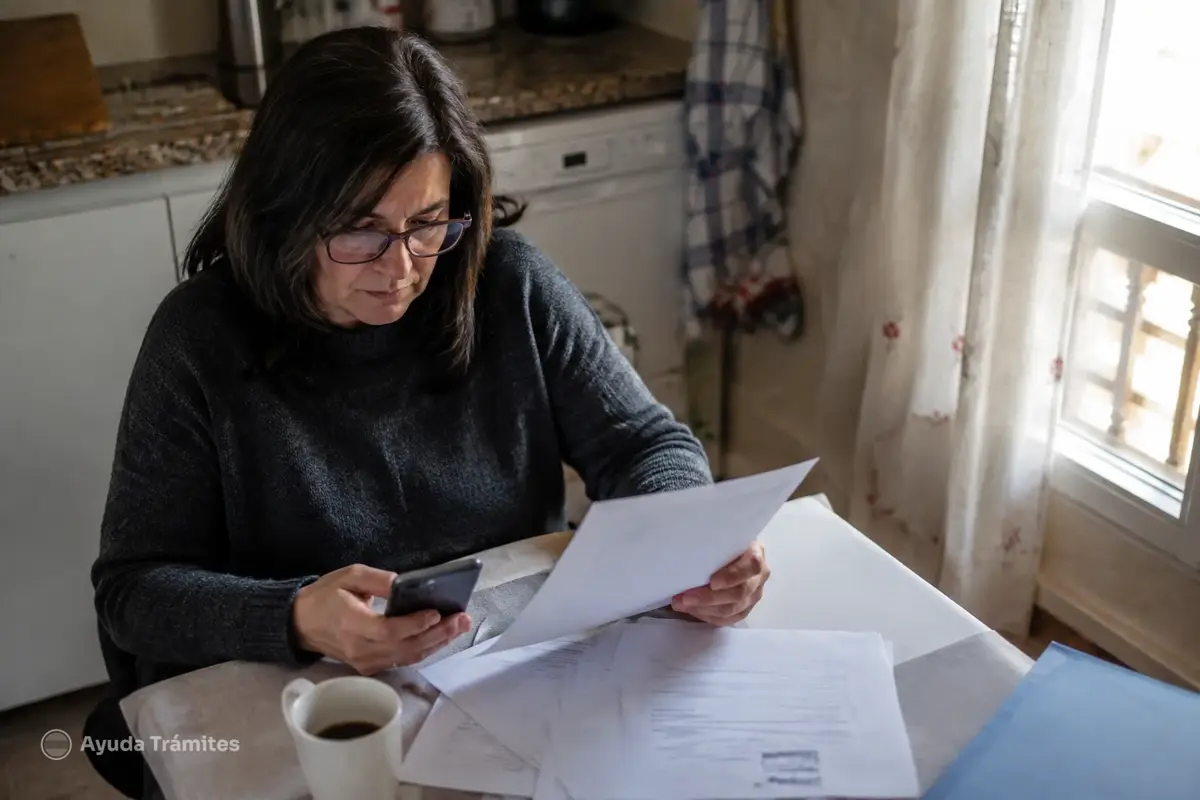
Your registered address tells the regional employment service where you live; for SEPE benefits you can use any SEPE office in your province. Jobseeker registration, or demanda de empleo, is normally handled by the regional employment service. SEPE mainly handles unemployment benefits.
An authority may ask for a recent volante when you change your address, register as a jobseeker for the first time or complete a specific procedure. This does not mean every benefit claim needs one. See our guide to registering as unemployed in Spain. You can also read about your Spanish social security number.
Voting in local elections
The padrón alone does not give you the right to vote. EU citizens must declare their intent and join the electoral roll. Non-EU citizens can vote only where a reciprocity agreement and the required conditions apply.
Common problems
No appointment slots
Check the booking page regularly and call the town hall. Some municipalities use different systems for appointments and walk-ins.
No contract in your name
Ask the owner or main tenant for written authorisation and a copy of their ID. Ask the town hall about other accepted proof if this is not possible.
Your certificate is too old
Many authorities want a volante or certificado issued recently, commonly less than three months old. Request a new copy: an old certificate does not cancel your registration. Renewal is a separate matter: if you are not an EU, EEA or Swiss citizen and do not have long-term residence, you must renew your registration every two years. If you don't, the town hall removes it as expired.
Moving to another town
Register at the new town hall. Your old registration is closed automatically, so you do not need to cancel it yourself.
Frequently asked questions
Do I need to be a legal resident to register on the padrón?
No. The padrón records your municipal address, not your immigration status. The town hall should not check your status for a normal registration. Any residence permit or certificate is a separate procedure.
Can I register without a rental contract in my name?
Usually, yes. The owner or main tenant can authorise you in writing. Bring their ID and any other proof your town hall requests. Requirements vary by municipality.
Is empadronamiento free?
Yes. Registration is free. A town hall may charge a small fee for a formal certificado, but this is separate from registering.
Does the padrón registration expire?
It depends on your nationality. If you are not an EU, EEA or Swiss citizen and do not have long-term residence, you must renew your registration every two years. If you don't, the town hall can remove it as expired without warning you first. For everyone else, the registration stays valid while you live at the address. Also, many authorities want a volante or certificado issued recently, commonly less than three months old.
Which office handles jobseeker registration?
Jobseeker registration, called demanda de empleo, is normally handled by your regional employment service, not SEPE. SEPE mainly handles unemployment benefits. Your padrón address helps identify the correct office.
What happens when I move to a new town?
Register at the town hall in your new municipality. Your old registration is closed automatically, so you do not need to cancel it yourself.
Official sources
These are the official sources for this guide:
- Instrucciones técnicas del Padrón municipal www.boe.es
- Padrón y residencia legal de extranjeros www.boe.es
- Registrar la residencia: el empadronamiento europa.eu
- Obtención de la residencia administracion.gob.es
- Directorio de Entidades Locales administracion.gob.es
Spotted something incorrect? Email us at info@ayudatramites.es.